
Achieving profound anaesthesia in mandibular first molars with symptomatic irreversible pulpitis is one of the most difficult challenges in endodontics.
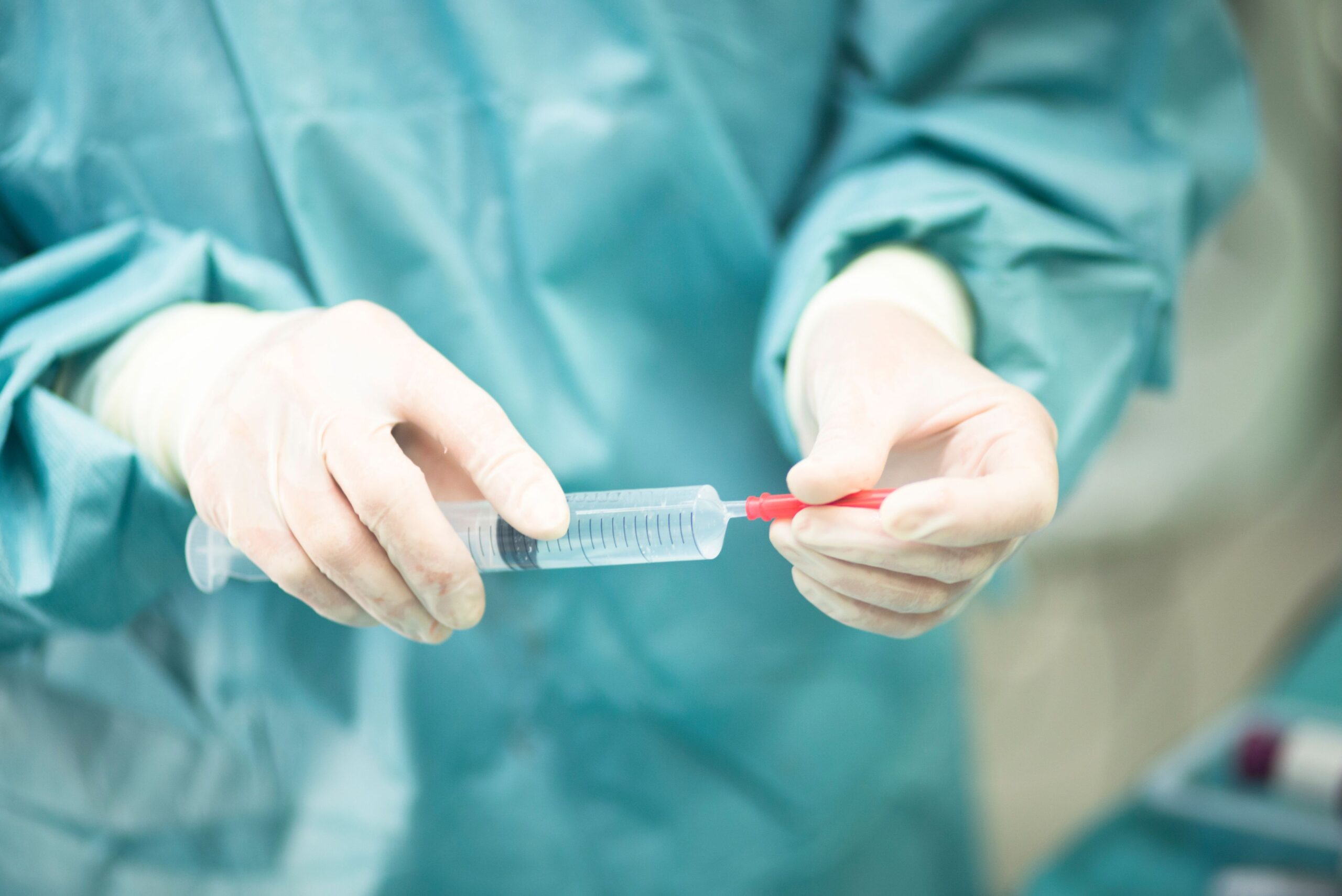
Inflammation alters tissue pH, interferes with nerve conduction, and lowers pain thresholds, resulting in inferior alveolar nerve block (IANB) success rates as low as 29–59%.
Although increasing the volume of anaesthetic can improve success, this approach raises concerns about systemic toxicity. Could cooling the anaesthetic offer a safer and equally effective alternative? A new double-blind, randomised clinical trial set out to find out.
Our Summary
The study compared the effectiveness of precooling 4% articaine with 1:200,000 epinephrine to 4–6 °C versus doubling its dosage in improving the success rate of IANB in mandibular first molars with symptomatic irreversible pulpitis.
Ninety healthy adults aged 18–40 years were randomly assigned to three groups of 30, each receiving either one cartridge of articaine at room temperature, two cartridges at room temperature, or one cartridge cooled to 4–6 °C.
All injections were delivered using a standard IANB technique, and pain was recorded at four treatment stages (during injection, access cavity preparation, pulp chamber entry, and canal entry) using a visual analogue scale (VAS). Successful anaesthesia was defined as a VAS score of 54 mm or less.
The Findings
Both precooling and increasing the dosage provided significantly better pain control than the single room-temperature cartridge at all stages of treatment. The cooled cartridge group recorded the lowest pain scores during injection, indicating that temperature reduction enhanced patient comfort at the outset.
During access cavity preparation, success rates reached approximately 80% for the two-cartridge group and 76% for the cooled cartridge group, compared with less than 10% for the single cartridge.
However, as treatment progressed to deeper stages, particularly canal entry, the two-cartridge group provided superior pain control, suggesting that increased volume offers a more sustained effect.
Neither method completely eliminated the need for supplemental anaesthesia, especially during canal instrumentation.
What This Means for Clinical Practice
Cooling articaine can enhance the comfort and early effectiveness of IANB, likely by slowing nerve conduction, reducing nociceptor excitability, and prolonging drug presence at the site through vasoconstriction. However, its advantage over increased dosage diminishes in later treatment phases.
Overall, both strategies improved IANB success in mandibular first molars with symptomatic irreversible pulpitis. Doubling the dosage to two cartridges provided more consistent pain control across all stages, while precooling the anaesthetic remains a practical alternative for patients who may not tolerate higher volumes.
A key limitation of the study was its focus on a single anaesthetic formulation.
About Dr. Jamal

Dr. Jamal Giri is an orthodontist and associate professor at B.P. Koirala Institute of Health Sciences in Nepal. He obtained his orthodontic training from the Institute of Medicine, Tribhuvan University, Nepal, in 2014.
Currently pursuing a PhD at the University of Adelaide, Dr. Jamal’s research focuses on the genetic and environmental factors influencing malocclusion development. He also holds a postgraduate certificate in clinical education from the University of Edinburgh and a master’s in medical education from the University of Nottingham.
Dr. Jamal teaches on the Diploma in Orthodontics and Dentofacial Orthopaedics at the London Dental Institute.
Read More
Fattahi B, Ghasemi N, Shakouei S, Moghaddam ML. Effect of precooling the anesthetic agent in comparison to increasing the dosage on the success rate of inferior alveolar nerve block using articaine in mandibular first molars with symptomatic irreversible pulpitis: Double-blind, randomized controlled clinical trial. Journal of Endodontics. 2025 May 28.
Get Our Research Round-Ups in Your Inbox
Each month, we publish bite-sized summaries of critical research to keep you updated with the latest advancements in dental science.
Subscribe below to stay ahead in your practice and enhance your knowledge with concise and informative summaries, delivered straight to your inbox.
