
Electric vs Manual Toothbrushes for Braces: What Does the Evidence Say?

A new systematic review and meta-analysis suggests that powered toothbrushes may offer a modest advantage over manual brushes in reducing plaque and gingival inflammation during fixed orthodontic treatment, although the low quality of the evidence means no definitive clinical recommendation can yet be made.
September 2026 Update

As the London Dental Institute prepares to welcome its biggest cohort of the year, it also celebrates a busy summer of Live Study Clubs, which drew 527 attendees in August, with three more sessions open to the wider dental community scheduled for October.
Fixed appliances, halitosis, and a surprisingly simple intervention
A daily probiotic lozenge containing Lactobacillus salivarius and vitamin D3 improved plaque control, gingival health and halitosis in orthodontic patients, particularly those with fixed appliances, although the benefits faded gradually once the lozenges were stopped.
August 2026 at the LDI
From new webinars on AI in orthodontics to another full month of free Live Study Clubs, August has been a busy one at the London Dental Institute and a reminder that keeping teaching current matters just as much as the technology itself.
Clear aligners are evolving… but is the evidence keeping up?
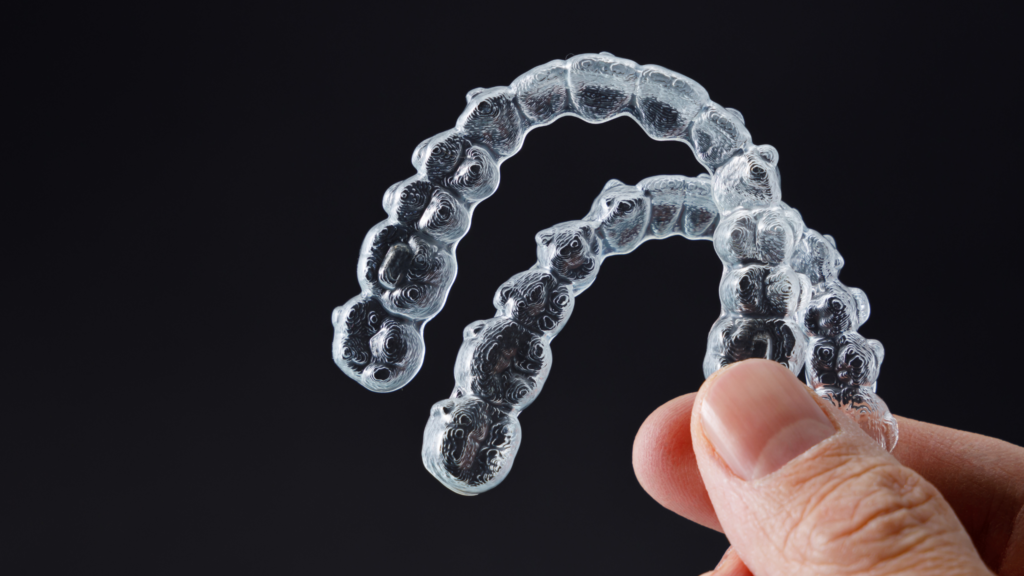
Clear aligner therapy has expanded well beyond mild malocclusions, but is the evidence base keeping pace? A new narrative review brings together current research on aligner biomechanics, treatment efficiency, extraction mechanics and biological safety, offering clinicians a balanced view of where the evidence is strong and where it still falls short.
July 2026 Update
This month’s update looks at how continuous improvement shapes postgraduate dental education at LDI, from new practical videos and refreshed course content to ways you can get involved with your professional development this summer.
Does i-PRF actually reduce treatment time?

A randomised controlled trial in The Angle Orthodontist reinforces that whilst injectable platelet-rich fibrin (i-PRF) may show promise in accelerating isolated stages of tooth movement, the evidence does not support its routine use for reducing overall orthodontic treatment duration, nor did it significantly affect root resorption compared to standard fixed appliance therapy alone.
Can orthodontists really influence airway health?

An updated white paper in the American Journal of Orthodontics and Dentofacial Orthopaedics reinforces that whilst orthodontists are well-placed to screen for signs of sleep-disordered breathing during routine assessment, the evidence does not support a causal link between orthodontic extractions and airway dysfunction, nor should CBCT imaging be used in isolation to diagnose the condition.
May 2026 Update

The London Dental Institute welcomed its newest cohort across all three Diploma programmes on 29th May, whilst continuing to expand its Virtual Learning Environment with new webinars, revised teaching materials, and updated course content throughout the month.
Can Monitoring Increase Patient Compliance in Aligner Therapy?

Patients undergoing clear aligner therapy who were aware their wear time was being monitored logged notably higher daily usage than those who were not, though neither group reached the recommended 20 to 22 hours per day.