
April 2026 Update
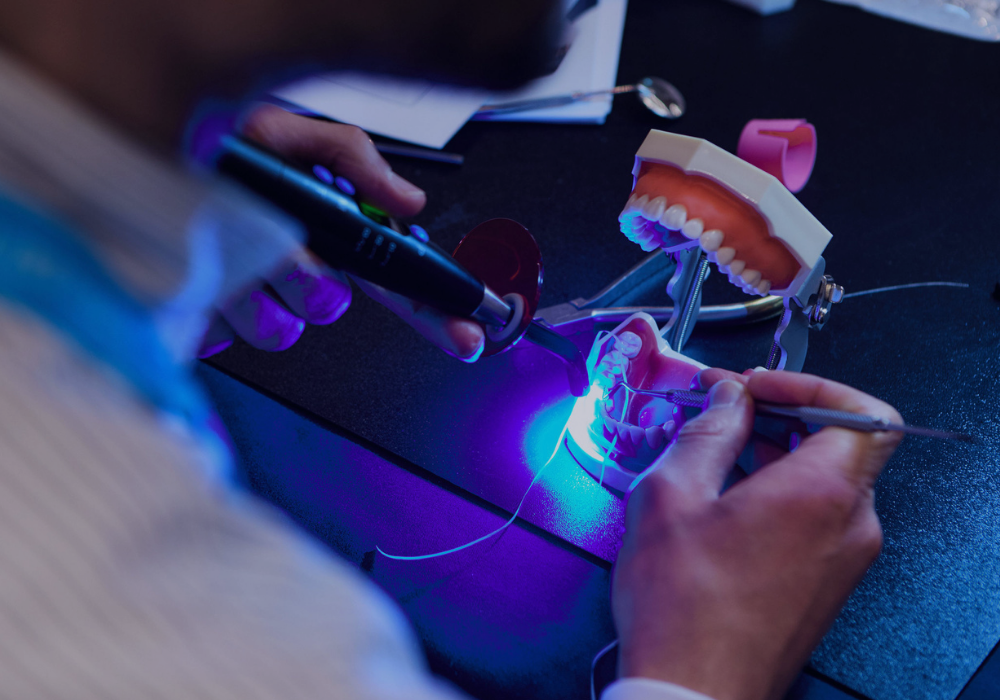
April carried a distinct sense of momentum at the London Dental Institute, shaped by a sold-out CUSP workshop, growing anticipation for October’s Orthodontic Conference, and the steady preparation of clinicians stepping into the upcoming May Diploma cohort.
Do Invisalign Aligners Really Need 22 Hours of Wear Per Day?
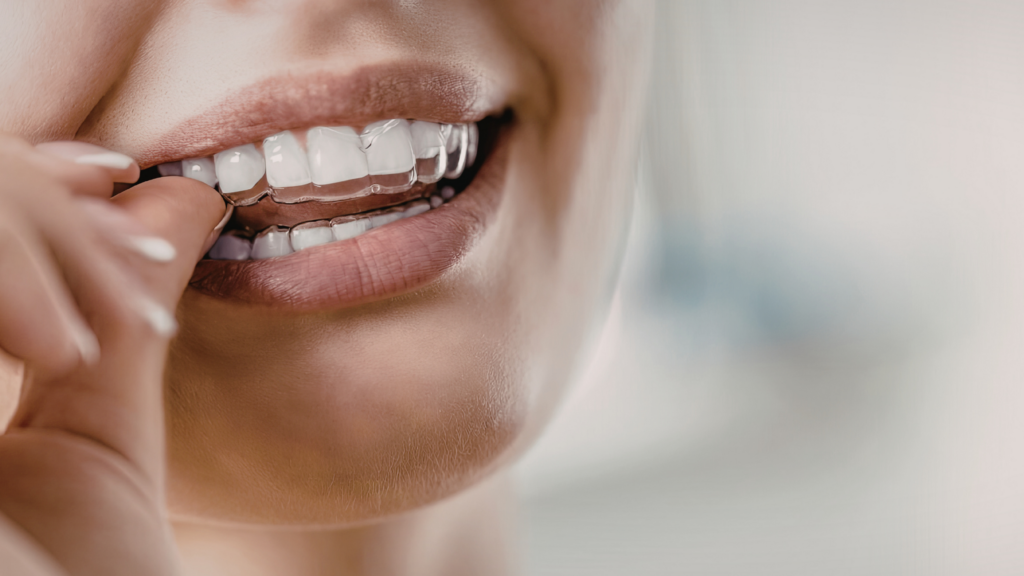
Consistency drives results. Reduced aligner wear may work for mild upper crowding, but full-time use remains the most reliable choice, especially for lower teeth.
Do Dentists Really Have Time for Postgraduate Study?
Finding time for postgraduate study in dentistry is less about having free hours and more about consistently using small, practical moments throughout the week to make steady progress.
5 Things You Can Expect From Postgraduate Dental Exams
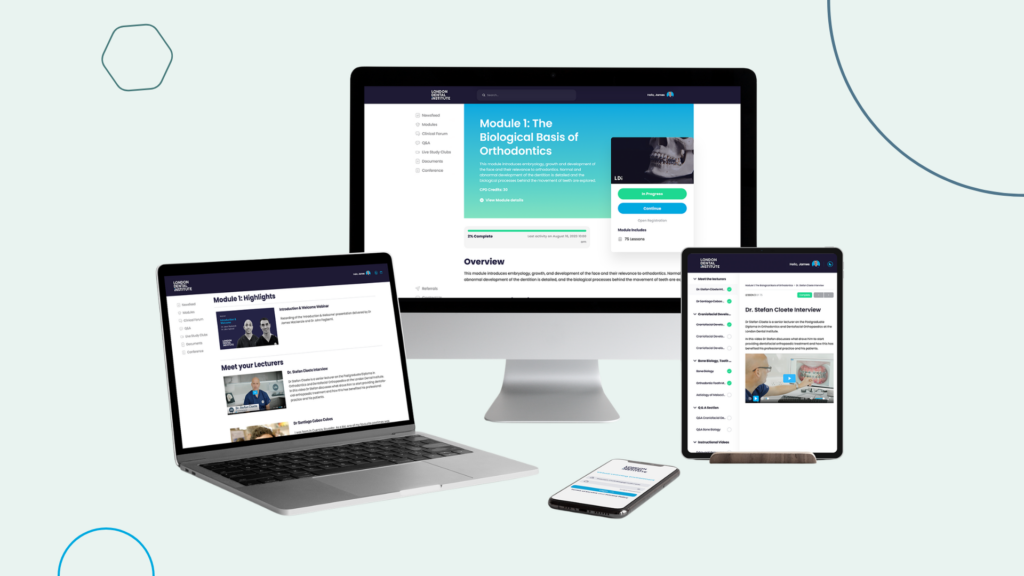
Postgraduate dental exams today are structured around real clinical thinking, offering flexible online assessments and case presentations that help practising dentists consolidate knowledge and translate learning into confident patient care.
February 2026 Update
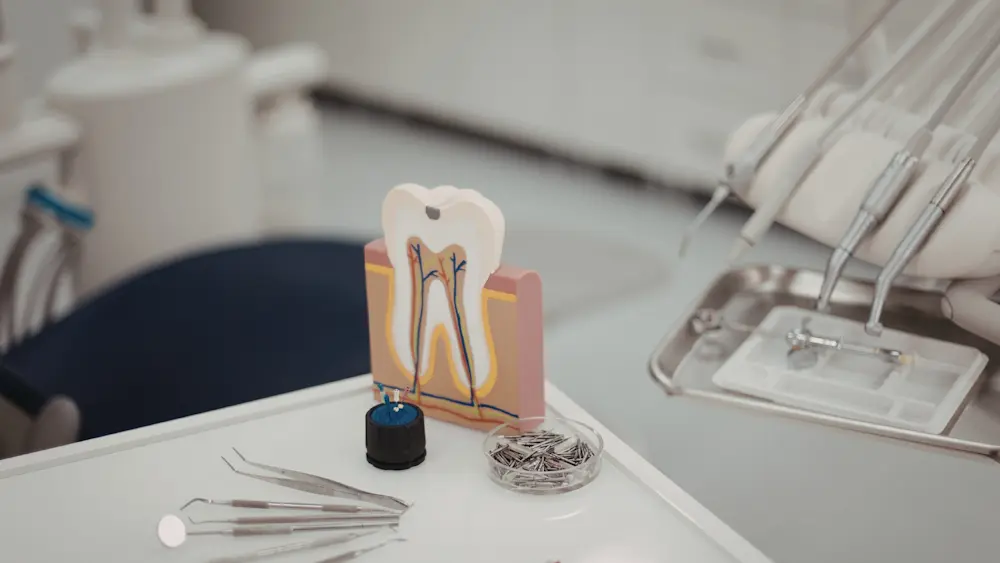
February at the London Dental Institute reflects steady momentum, with expanded teaching on complex topics like zygomatic implants and a continued focus on rigorous, practice-grounded postgraduate training that builds real clinical confidence month by month.
5 Tips to Improve Dental Patient Retention
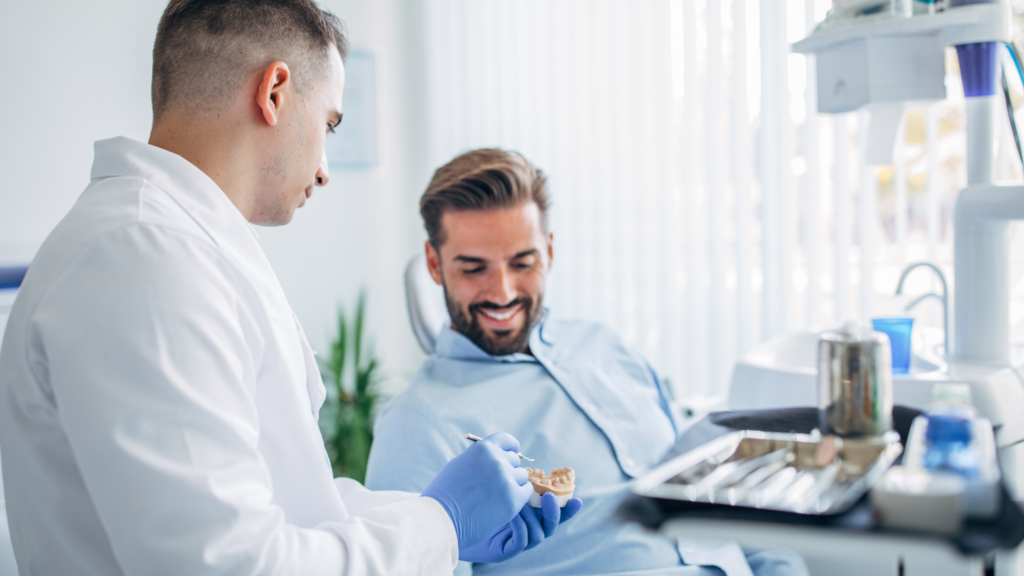
Patient retention in dentistry grows when clinicians communicate clearly, stay visible, build a recognisable personal presence like Dr George Cheetham, maintain thoughtful recall systems, and deliver consistent, confidence-building care that turns expertise into lasting trust.
Can Orthodontics Cause, Cure, or Prevent TMD?
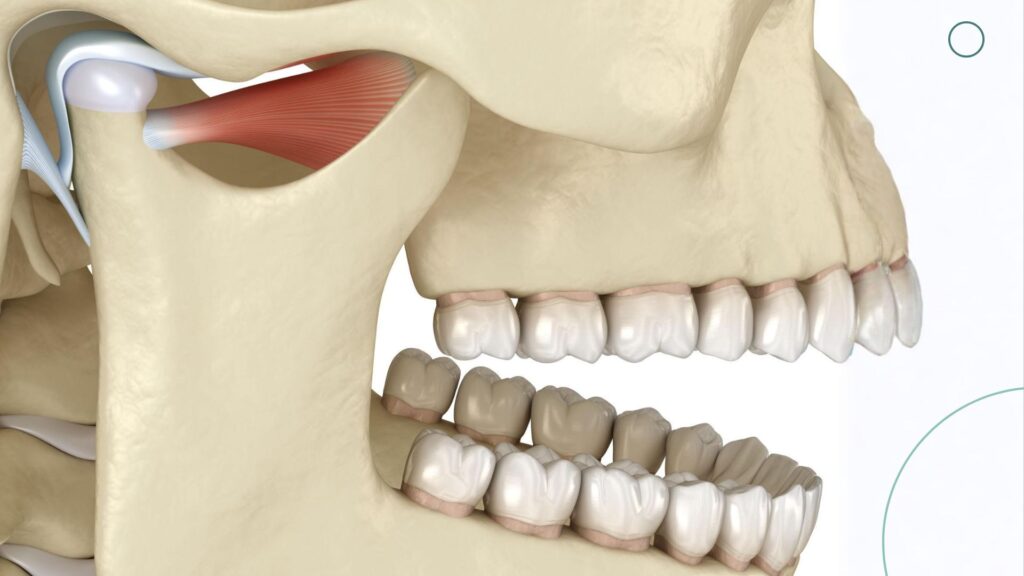
For decades orthodontics was blamed for causing or curing TMD, yet contemporary evidence now supports a biopsychosocial understanding that shifts the focus from occlusal perfection to patient adaptability, careful screening, and conservative management.
How LDI Dentists Fit Postgraduate Study Around a Busy Clinical Schedule

Finding time for postgraduate study rarely comes down to motivation, but to rethinking learning as something that fits into real clinical days through flexible, modular formats that work alongside a busy dental schedule rather than competing with it.
January 2026 Update

January at the London Dental Institute begins with strong momentum, bringing new course content, practical clinical resources, and a full programme of Live Study Clubs, making it an ideal time to refocus and invest in your professional development for the year ahead.
Five Dental Technologies To Look for in 2026

As dentistry moves into 2026, rapidly advancing technologies such as AI, digital scanning, and in-house manufacturing are reshaping clinical workflows, yet their true value lies in supporting rather than replacing the clinician’s judgement, empathy, and human connection with patients.