
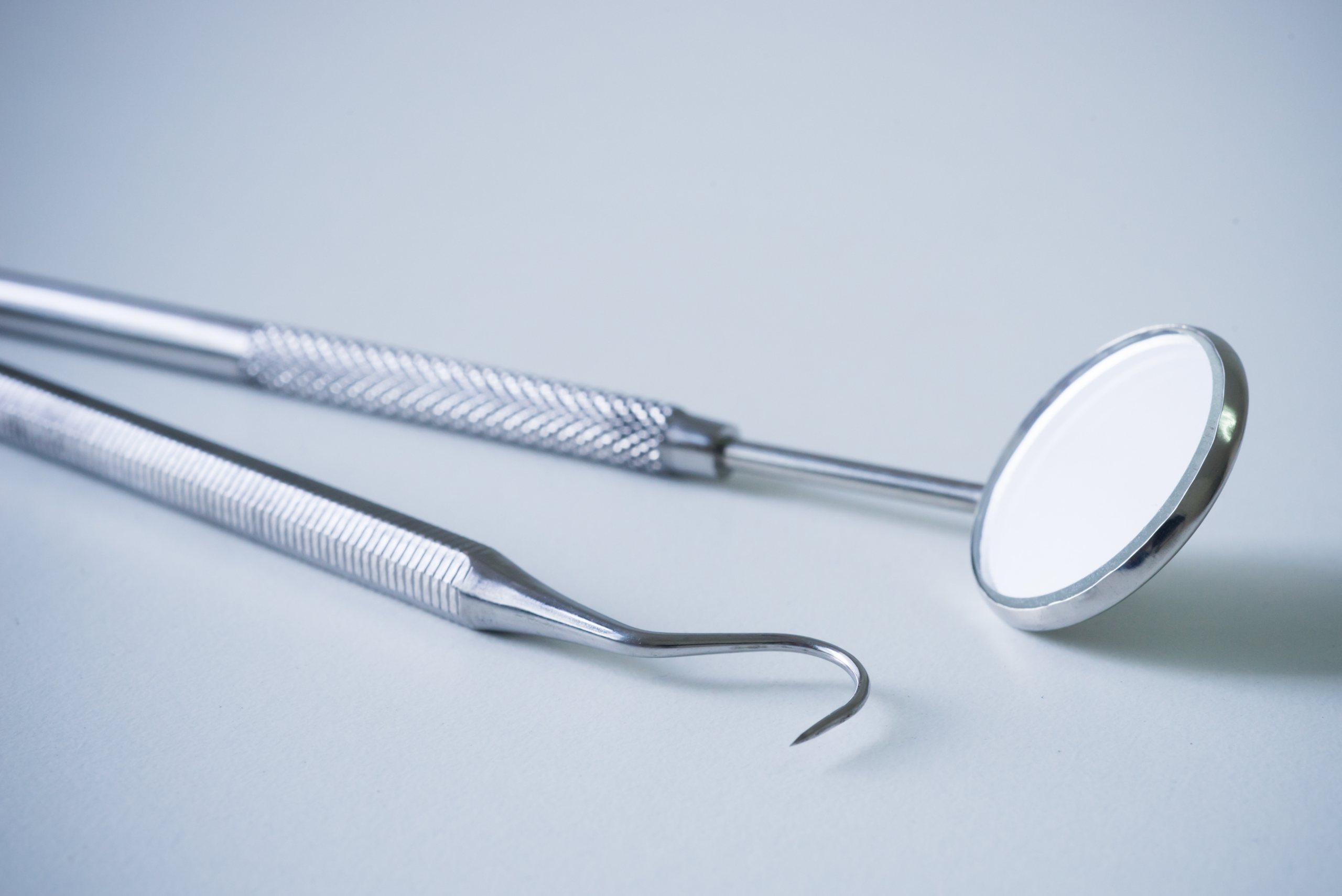
As the year winds down, many dental professionals in our community are preparing for a well-earned break, with time away from clinics, patients, and the steady rhythm of professional life.
Yet for those studying or considering a return to postgraduate education, the thought of taking time off can prompt a familiar question: Is it really okay to switch off for a while?
It’s a question that often arises at the end of a demanding year, when the pull between professional commitment and personal wellbeing feels strongest. The short answer, supported by science, is yes, not only is it okay to rest, it’s a vital part of sustained learning and performance.
Rest as Part of Learning
Dentistry demands accuracy, focus, and continual development. But lasting progress relies on the brain’s ability to consolidate information, and that process doesn’t happen only when studying.Neuroscience has shown that memory and skill retention improve when the mind has time to rest. During downtime, the brain quietly organises new material, strengthening the connections that support both understanding and recall. In this way, rest plays a role similar to recovery after a clinical procedure: the essential work continues beneath the surface, even when activity stops.
What Professionals Experience
Many clinicians describe the same pattern. After a short break, like a week away from revision, or time spent focusing purely on practice, they often return to study with sharper focus and a renewed sense of purpose.
Far from being a setback, rest can lead to insight. It allows the mind to make sense of new techniques, complex cases, and theoretical frameworks in ways that constant activity cannot. The pause itself becomes part of professional growth.
The Psychology of the Pause
There’s also a psychological benefit.
Continuous productivity without moments of rest can lead to mental fatigue, which reduces creativity, concentration, and emotional resilience. Taking deliberate pauses helps protect mental health and maintains the balance needed for long-term success in clinical work and study alike.
In many ways, professional mastery depends on rhythm, alternating between periods of intense focus and reflective recovery. Recognising when to step back is as valuable as knowing when to press on.
Looking Ahead to January
December offers the ideal moment for that reflection. It’s a time to recognise how much has been achieved across the year, both in practice and in education, and to take quiet satisfaction in the progress made.
Rest is not time lost; it’s preparation for what comes next.
As the new year approaches, it brings with it renewed energy, focus, and opportunity, a chance to continue learning, to develop professionally, and to build on the foundations already laid.For those planning their next step, January offers a natural point to begin again. refreshed, motivated, and ready to move forward. If that looks like embarking on professional development towards a Diploma, then browse the courses we have on offer here.
